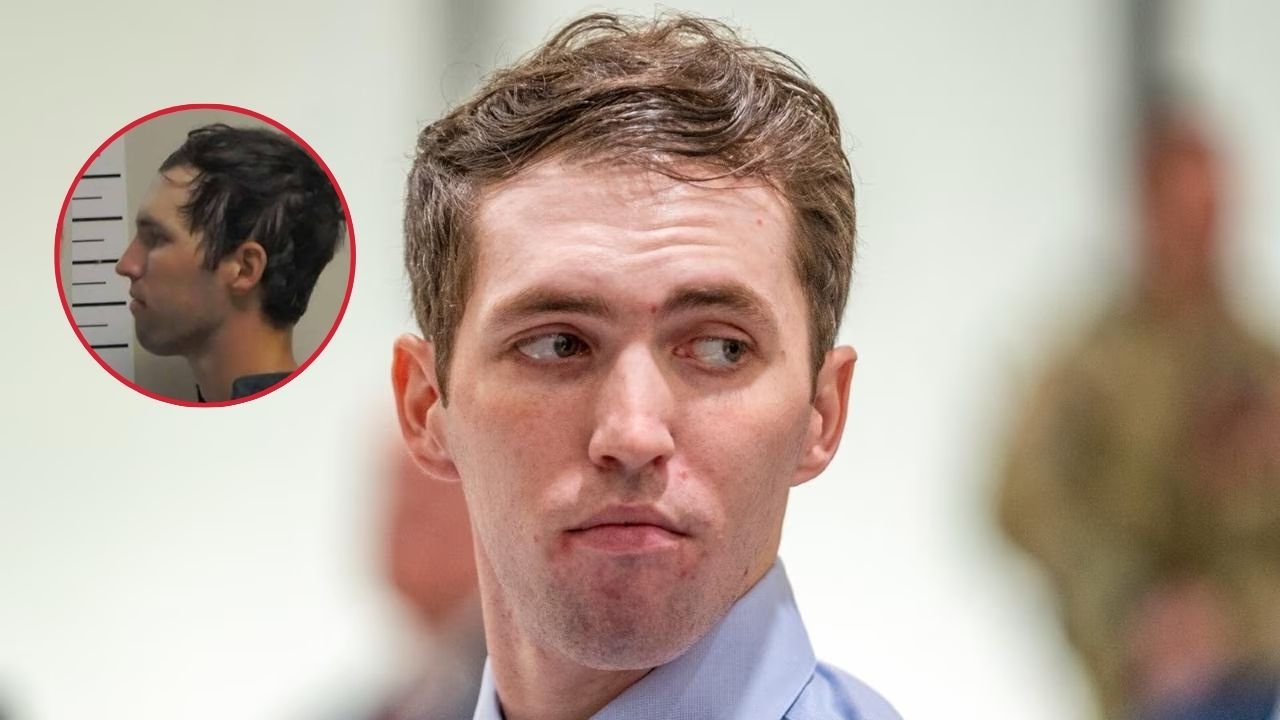
The criminal case involving Tyler Robinson, the 23-year-old man accused in the shooting of conservative activist Charlie Kirk, has entered a significant stage as prosecutors continue seeking capital punishment under Utah law. The proceedings have drawn nationwide attention because of the high-profile nature of the allegations, the extensive evidence presented, and the legal questions surrounding one of the state’s most serious criminal cases.
A preliminary hearing is currently underway, with the court expected to determine whether prosecutors have presented enough evidence for the matter to proceed to a full trial. The outcome of this stage will shape the direction of the case in the months ahead.
Hearing Begins
Court proceedings began with a multi-day preliminary hearing designed to evaluate whether probable cause exists to move the prosecution forward.
Unlike a trial, the hearing is not intended to determine guilt or innocence. Instead, the judge is reviewing witness testimony, forensic findings, and other evidence to decide whether the legal threshold has been met for the case to continue.
A ruling is expected once the hearing concludes.
Capital Punishment Request
Prosecutors continue to pursue capital punishment, arguing that the allegations meet Utah’s legal requirements for seeking the state’s most severe criminal sentence.
Defense attorneys previously asked the court to prevent prosecutors from pursuing that option. However, District Judge Tony Graf denied those requests, allowing the prosecution to continue seeking capital punishment if the case ultimately reaches trial.
The judge’s decision does not determine the final outcome but allows prosecutors to keep that sentencing option available.
Court Dispute
The case has also included procedural disputes unrelated to the underlying allegations.
In June, Judge Graf found a lead prosecutor in civil contempt after determining that a pretrial gag order had been violated. Although the ruling addressed conduct during the proceedings, the judge declined to remove capital punishment as a potential sentence.
As a result, the prosecution’s overall strategy remains unchanged despite the court’s finding.
Alleged Aggravating Factors
To pursue capital punishment, prosecutors must establish statutory aggravating circumstances recognized under Utah law.
One argument presented by the state centers on public safety. Prosecutors contend that firing a rifle in an area occupied by a large crowd created an extraordinary risk to numerous people who were present at the event.
The prosecution has also argued that the alleged targeting of a prominent public figure should be considered within the broader context of the case, subject to the evidence presented in court.
These issues are expected to receive further examination if the matter proceeds to trial.
Evidence Presented
During the preliminary hearing, prosecutors outlined several categories of evidence supporting their case.
According to court filings and testimony, forensic investigators recovered DNA consistent with Tyler Robinson’s profile from the trigger of the rifle, unfired ammunition, and a towel reportedly associated with the firearm.
Prosecutors have also referenced digital evidence, including text messages and written communications they argue demonstrate planning before the incident.
In addition, investigators have presented security recordings and bystander videos that reportedly document key moments surrounding the shooting.
Each piece of evidence will ultimately be subject to scrutiny through the judicial process.
Defense Position
Defense attorneys continue challenging the prosecution’s arguments and the interpretation of the available evidence.
At this stage of the proceedings, the defense has sought to limit certain aspects of the prosecution’s case while emphasizing that the court must carefully evaluate whether the evidence satisfies the legal standard required to move forward.
As with every criminal prosecution, the accused is presumed innocent unless and until proven guilty in court.
The defense will have additional opportunities to contest evidence if the case advances to trial.
National Attention
Because Charlie Kirk is a nationally recognized political commentator and activist, the case has generated widespread public interest.
Court developments have been closely followed by news organizations, legal analysts, and members of the public across the United States. The proceedings have also sparked broader discussions regarding political violence, public event security, and the application of capital punishment in modern criminal justice.
Despite the public attention, the court has emphasized the importance of relying on evidence introduced through legal proceedings rather than speculation.
What Comes Next?
Once the preliminary hearing concludes, Judge Graf will decide whether prosecutors have established probable cause.
If the judge determines that the legal standard has been met, the case will proceed toward a criminal trial, where jurors would evaluate the evidence and determine whether the prosecution has proven the charges beyond a reasonable doubt.
Only after a conviction—if one were to occur—would any sentencing phase, including consideration of capital punishment, become relevant.
Ongoing Proceedings
The Tyler Robinson case remains one of Utah’s most closely watched criminal proceedings.
While prosecutors continue pursuing capital punishment and presenting evidence they believe supports the allegations, the judicial process is still ongoing. Important legal questions remain unresolved, and no final determination has been made regarding the charges.
As additional hearings take place, the court is expected to continue examining forensic evidence, witness testimony, digital records, and other materials before the case reaches its next stage. Until a final verdict is reached, the proceedings remain active, and future court rulings will play a critical role in determining how the case moves forward.